Why builder gel burns: heat spikes explained
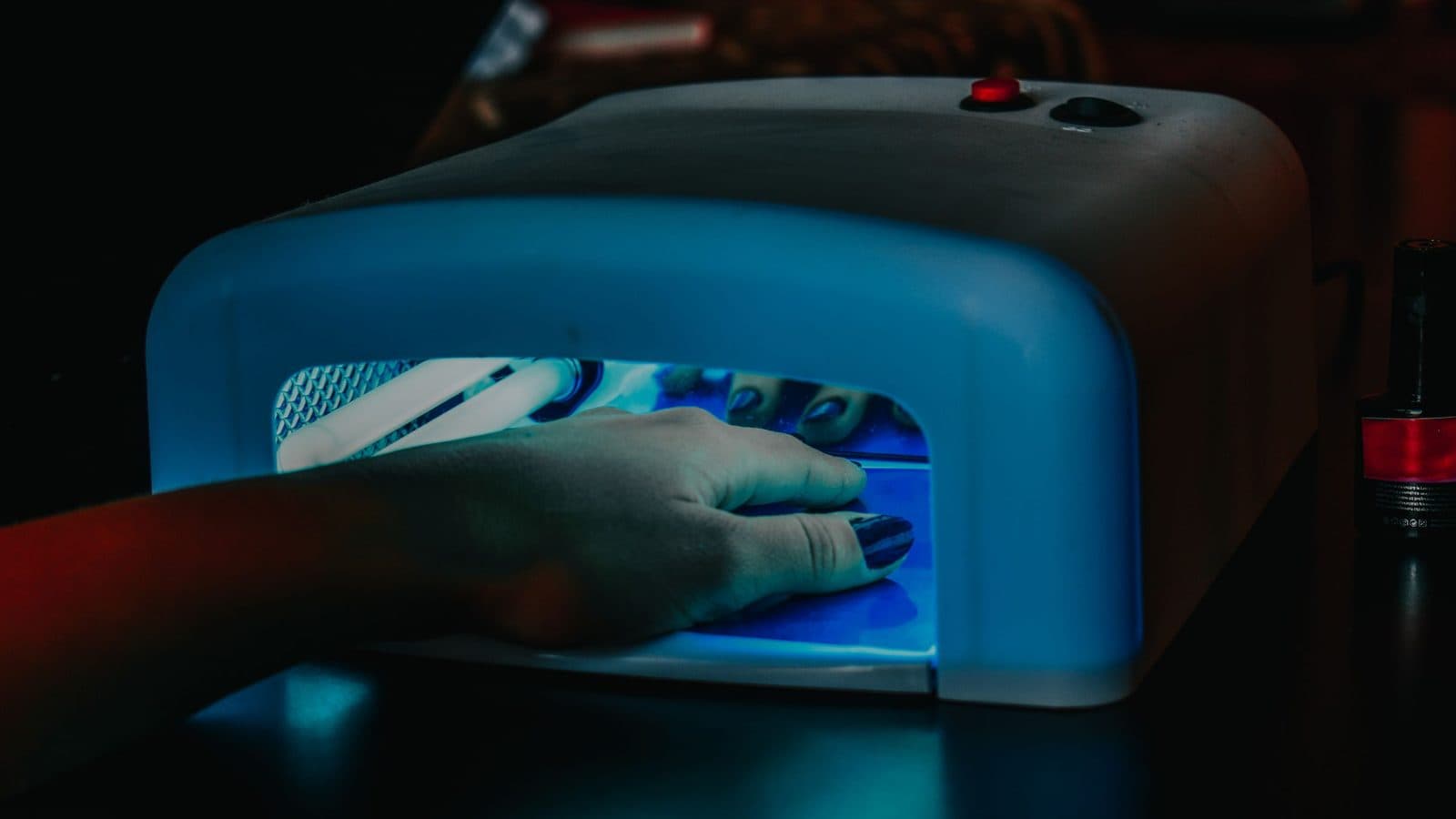
The client's hand jerks out of the lamp. You both pretend it is fine, they put it back, and you finish that nail a little faster than you meant to. Every nail technician has had that appointment.
Heat spikes are not random and they are not a client being dramatic. They are a predictable consequence of how gel cures, which is good news, because it means they are controllable.
Curing is exothermic. That is the entire mechanism.
Every bond that forms as the gel polymerises releases a small amount of heat. Nothing exotic is happening. The total heat released scales with how many bonds form, which scales with how much product is sitting on the nail. More product means more heat, always.
There is no such thing as a cure that produces no heat. There are only cures that release it slowly enough that nobody notices.
Why a faster cure feels hotter
Here is the part that surprises people. A fast cure does not release less heat. It releases the same heat in a shorter window, and that concentration is exactly what makes it perceptible. Spread across two minutes it is warmth. Compressed into twenty seconds it is a spike.
This is also why the lamp and the product have to match. A gel formulated for a longer, gentler exposure, then driven hard by a high-output lamp, dumps its heat far faster than it was designed to. Higher wattage is not automatically better. It is only better when the formula was built for it.
What makes a spike more likely
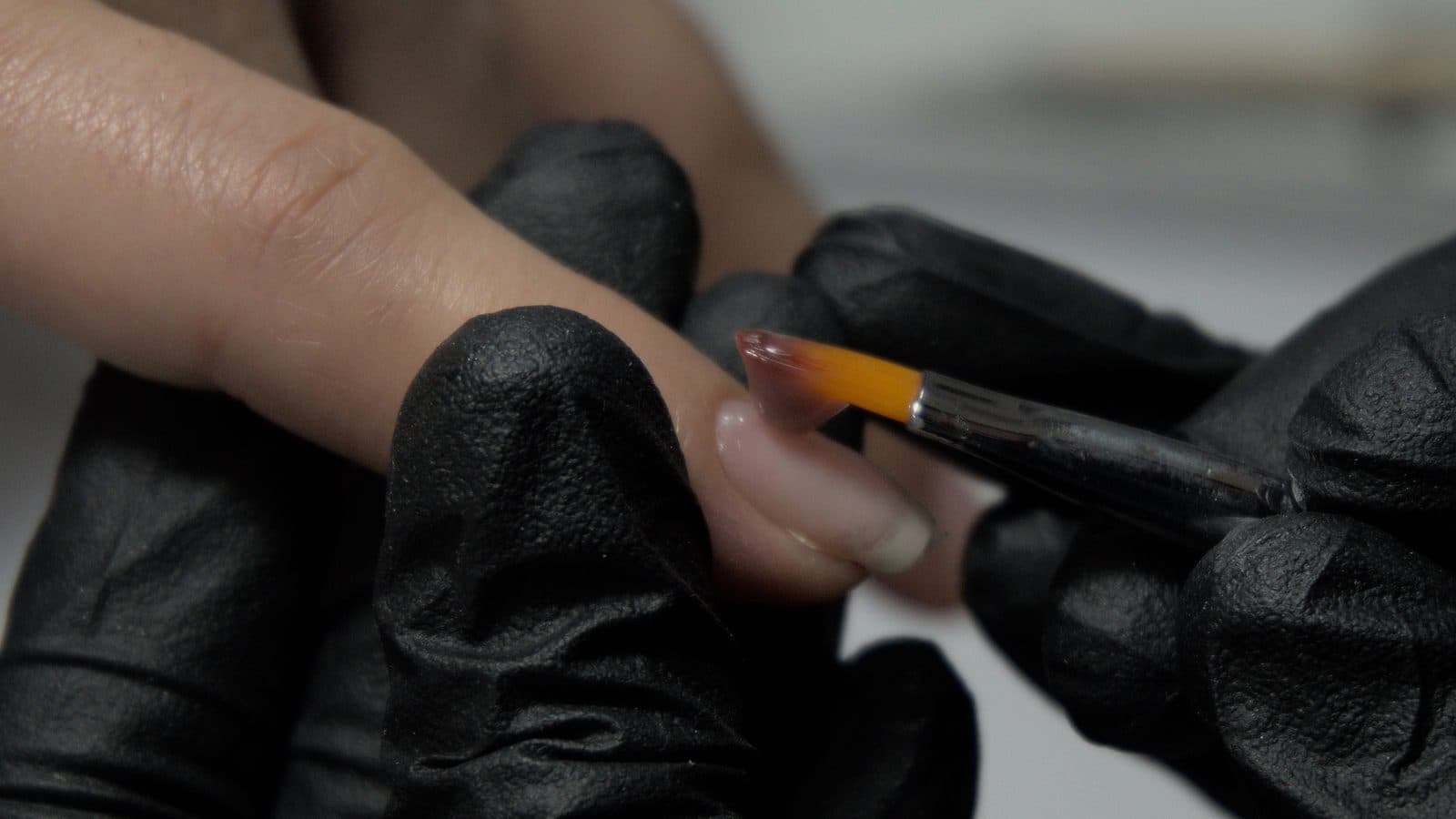
- Product applied too thick. This is the single biggest factor, because it drives both the total heat and how fast it comes out.
- A nail plate thinned by over-filing. The plate is the insulation between the reaction and the nerve endings in the nail bed. Take the plate down and you take the insulation with it.
- A lamp that overdrives the formula, or a formula chosen with no reference to the lamp it will be cured under.
- Fresh product layered over a layer that has not fully cured, so two reactions stack on top of each other.
- Naturally thin, flexible or damaged nail plates, and clients with a long history of enhancements.
What to do the second it burns
Do not talk a client through it. Pain during a cure is information, and the correct response is to interrupt the reaction.
- Take the hand out immediately. Curing in stages is standard practice rather than a compromise - flash curing works on exactly that principle - so finish in short bursts instead of making the client sit through it.
- Wait a few seconds for the heat to dissipate, then put the hand back in and cure in short bursts until it is done.
- If the same nail spikes again, the layer is too thick. Take it back and rebuild in two passes rather than pushing through.
How to stop it happening
- Build in thin layers. Two or three controlled passes beat one heavy one, for heat and for structure alike.
- Flash cure the first pass. A few seconds in, out, then a full cure. Ramping the reaction instead of starting it at full speed lowers the peak.
- Use the low-heat mode if your lamp has one, particularly on the first cure of a heavier build.
- Stop over-filing the plate. Break the shine and no more. Plate thickness does not grow back.
- Match your lamp to your system rather than the other way round, and do not assume a higher wattage lamp is a safer one.
About no-heat and cool gels
Worth being straight about this, because it is our own category name too. No-heat, low-heat and cool gel are marketing terms. There is no standard behind them and no test a product has to pass to use one. Curing releases heat by definition, so nothing can cure without producing any.
What a well-made low-exotherm formula does is slow the reaction so the same energy comes out over a longer window and the peak never reaches the point where the nail bed complains. That is a real and useful difference, and it is what our no-heat builder gels are formulated for. It is not magic, and it will not rescue a layer applied too thick. If you want to see the full builder gel range side by side, the honest trade-off is comfort against build speed.
Thin nail beds need a different plan
Some clients will spike whatever you do, because there is not much plate left between the gel and the nerve endings. For those clients, work in thinner layers than you think you need, flash cure everything, reach for a lower-exotherm product, and tell them honestly that the next appointment or two will run slower while the plate recovers. That conversation lands far better than a client quietly wondering why their nails hurt at your chair and nowhere else.
Heat spikes are a technique problem with a product component, in that order. Thin layers, a ramped cure and a plate you have not filed to paper will solve most of them. If you are choosing between systems and want the differences without the marketing, we broke down what the labels actually mean.