Chrome powder not sticking? Fix it by the symptom
Chrome is the least forgiving thing on your menu. Everything else hides a small mistake somewhere. Chrome magnifies it, because a mirror shows you the surface underneath rather than the pigment on top.
The useful part is that chrome fails in a small number of very specific ways, and each one points at a single variable. Work backwards from what you can see on the nail and you will find it far faster than starting the set again.
The method, in order
Before troubleshooting anything, it is worth agreeing on the sequence, because a good share of chrome problems are simply a step done in the wrong order.
- Prep and build as normal, then apply your colour. Chrome is a mirror, so the surface under it has to be genuinely smooth. Ridges, brush marks and dips all show through.
- Choose the base shade on purpose. Black gives the deepest true mirror and hides nothing. A milky white or soft nude gives the pearly glazed finish. A shade close to the powder tone gives the most solid coverage.
- Apply a no-wipe top coat and cure it. This is the layer the powder keys into, and Mirror Me is built for that job specifically.
- Burnish, do not dust. Chrome adheres by friction, not chemistry. The platelets have to be crushed flat into a continuous sheet, so use firm small circles with a silicone applicator and keep going until the surface turns properly reflective. That takes longer than most people expect.
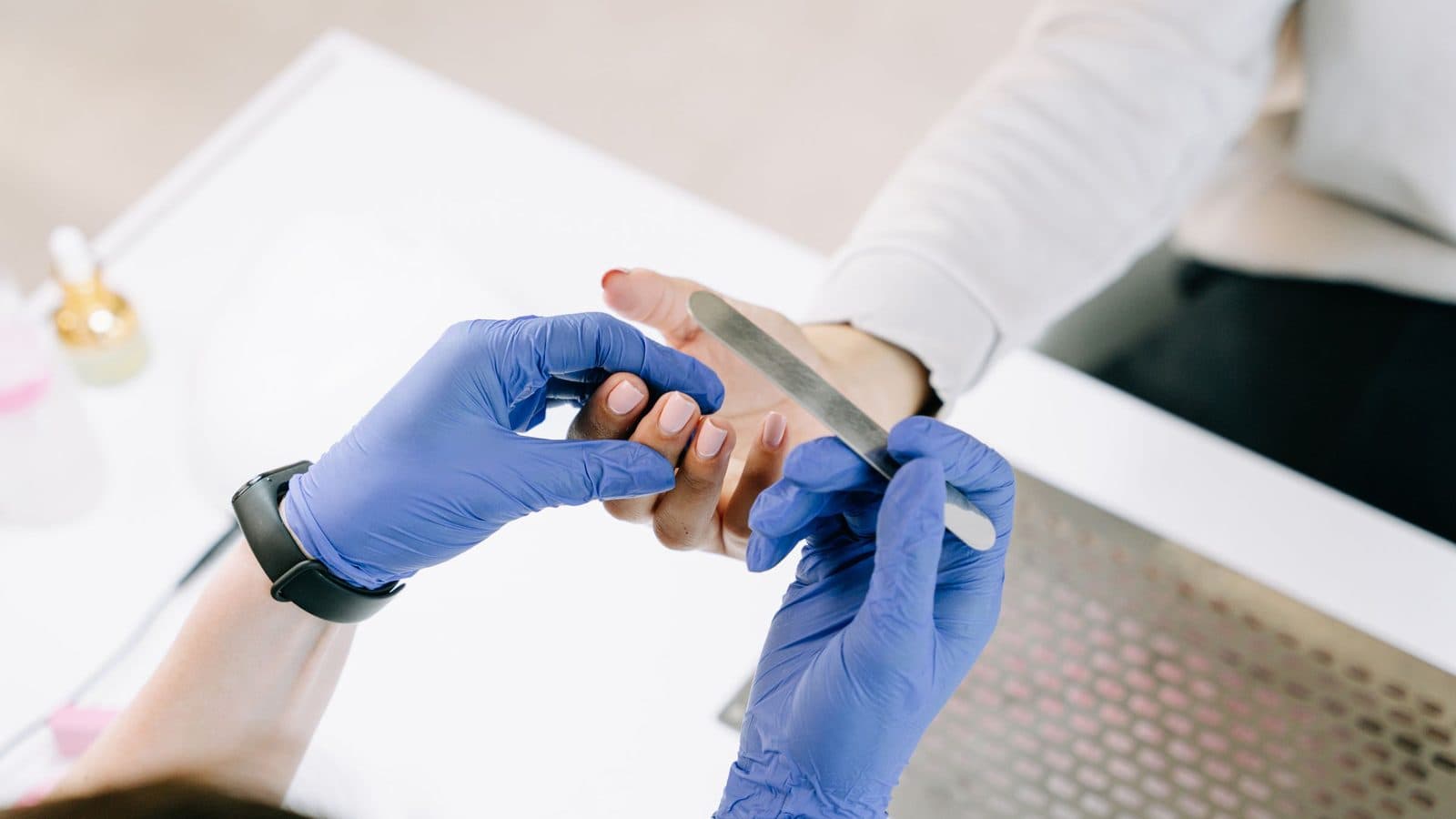
- File the free edge lightly to clear loose powder off the tip, then dust the nail properly. Any loose pigment left behind will drag.
- Seal with a floating stroke. Load the brush, hover, and let the product flow off it. Do not drag the bristles across the chrome. Cap the edge and cure fully.
The cure window is the whole game
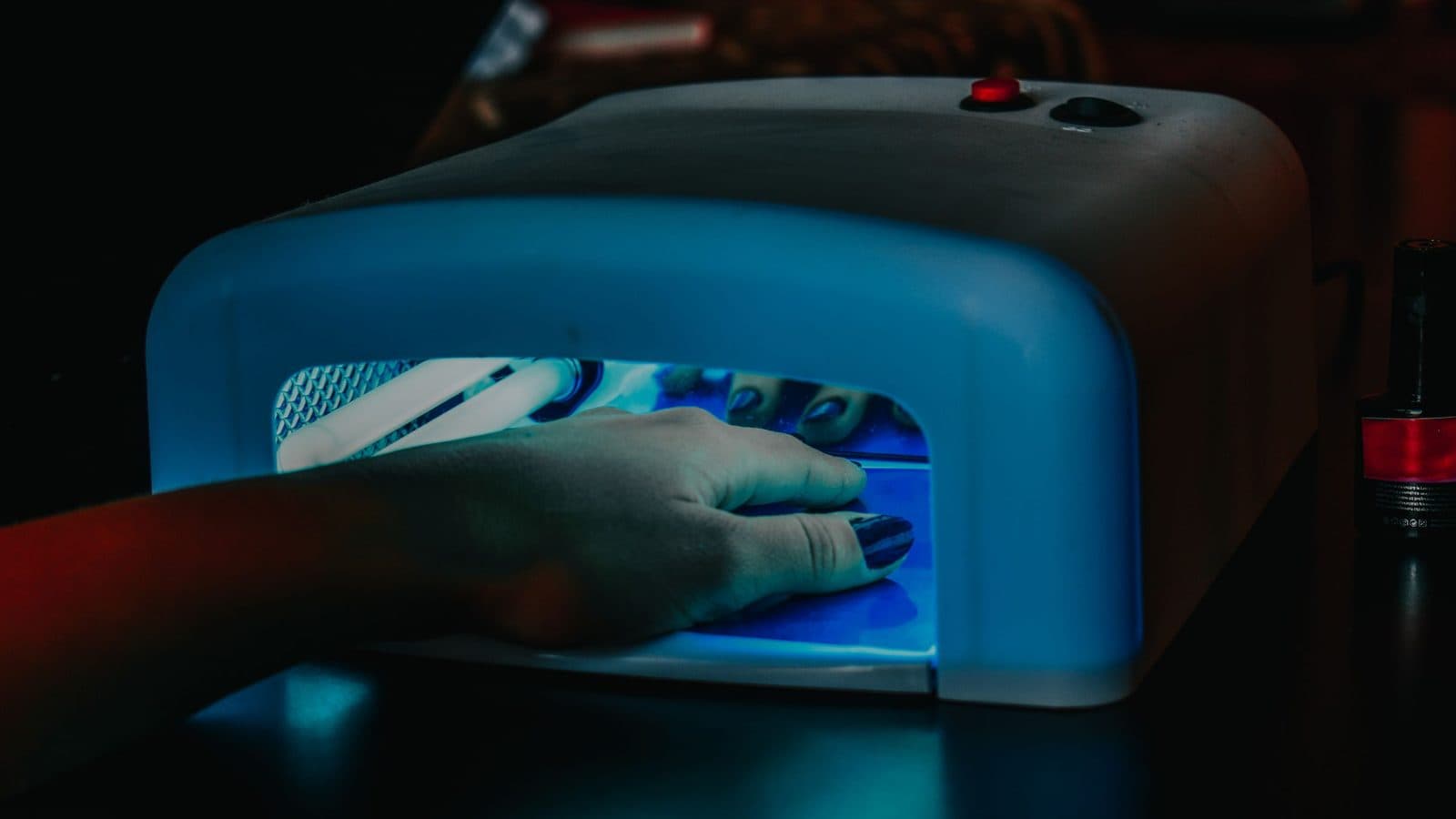
Almost every chrome guide gives you a number for how long to cure the top coat before burnishing. Ignore the numbers. The window belongs to the top coat in your hand, and the only way to find it is to test on one nail. What matters is understanding what sits on either side of it. Cure too little and the surface is still soft, so the powder sinks in instead of sitting on top, and you get grain. Cure too long and there is nothing left for the powder to key into, so it rubs away as fast as you apply it.
Dial the window in once, on your own lamp, with your own top coat. Then stop thinking about it.
It rubs straight off
Two causes, and they are easy to tell apart. Either the top coat is over-cured and the surface has nothing left to grip, or you used a wipe-off top coat and burnished into the inhibition layer. Test the first by cutting your cure time on a single nail and trying again. If that fixes it, you have your answer.
It looks grainy instead of mirrored
Grain means the individual platelets are still sitting as individual platelets rather than being crushed into a sheet. Usually that is not enough pressure or not enough time on the nail. Sometimes it is too much powder, so loose grains scatter light on top of the layer that did bond. Use less powder, press harder, work longer. If it still will not go flat, the top coat was under-cured and the particles have sunk in slightly, which no amount of rubbing will undo.
It looks patchy or dull
Patchy chrome is almost always uneven pressure, an uneven top coat film, or an uneven surface underneath. Check the build first. If the nail has a dip near the cuticle or a wave along the sidewall, the chrome will read as a dark band there no matter how well you burnish. Dull all over rather than patchy usually points at the powder itself: coarse particles and filler content do not mirror.
It vanishes when I seal it
The sealing brush dragged and swept the pigment off, because the powder is only mechanically held until it is locked under a coat. Float the brush instead of drawing with it. Two thin sealing layers beat one thick one, and letting the top coat come up to room temperature helps it flow off the brush rather than push.
Dark smudges appear as I burnish
Oil or moisture transferred from your finger through the applicator. Chrome picks up everything. Use a clean applicator per client, keep the pad away from your own skin, and do not touch the nail between the cure and the seal.
It chips within days
Correctly applied chrome should wear like any other gel manicure. Early chipping is an ordinary retention problem wearing a shiny coat, so treat it as one. Check that the free edge is capped on every layer, that no dust or oil was sitting at the cuticle line before you started, and that nothing was applied too thick to cure through.
The wipe versus no-wipe mistake
You will still find advice telling you to use a wipe-off top coat for chrome, on the theory that the tacky inhibition layer helps the powder grip. It does the opposite. Burnishing into a tacky surface is the most reliable way to get glitter instead of metal, because the particles bed into the gel rather than lying flat on it. Chrome goes onto a cured no-wipe surface.
Glazed is a different touch, not a different method
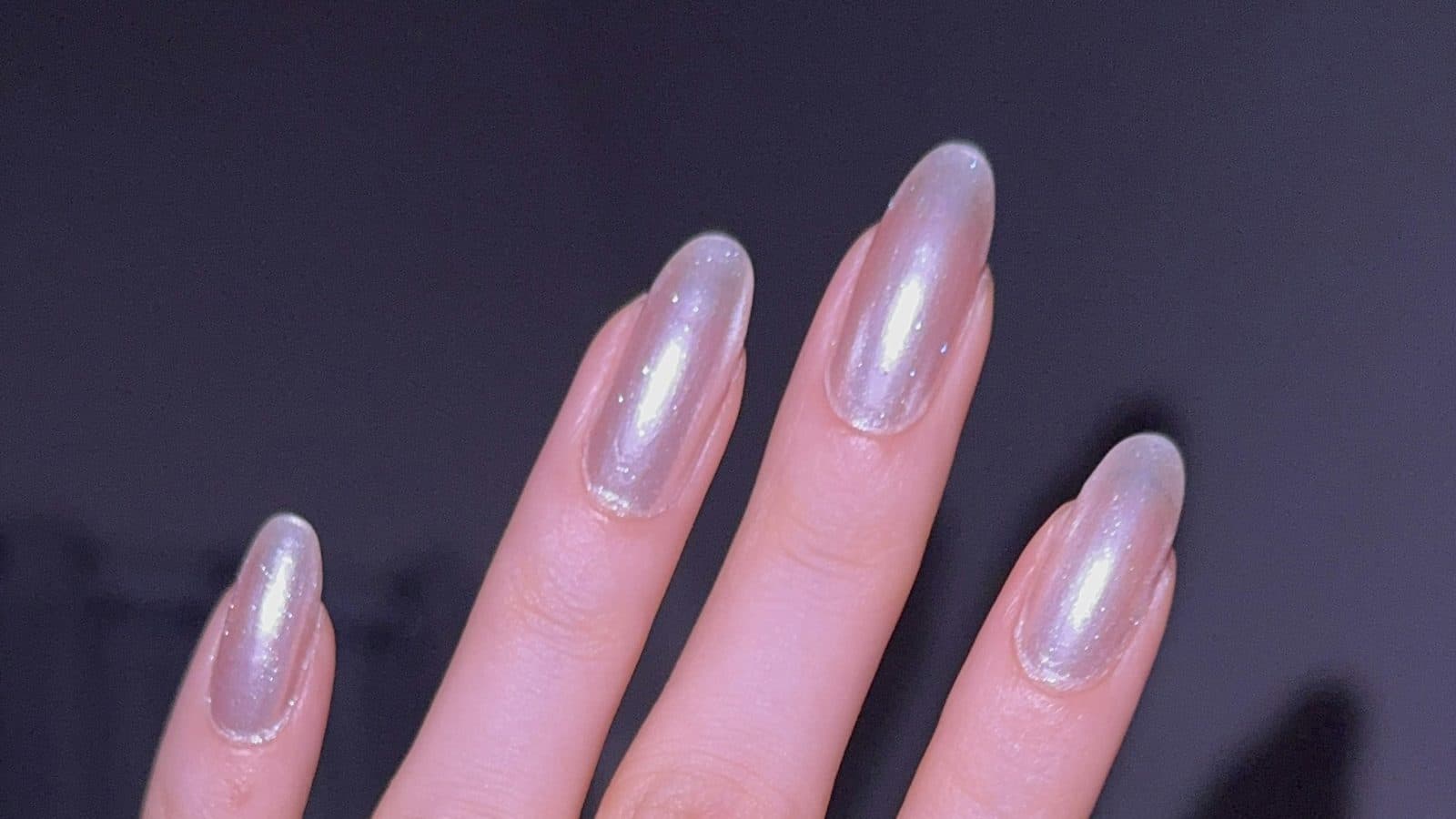
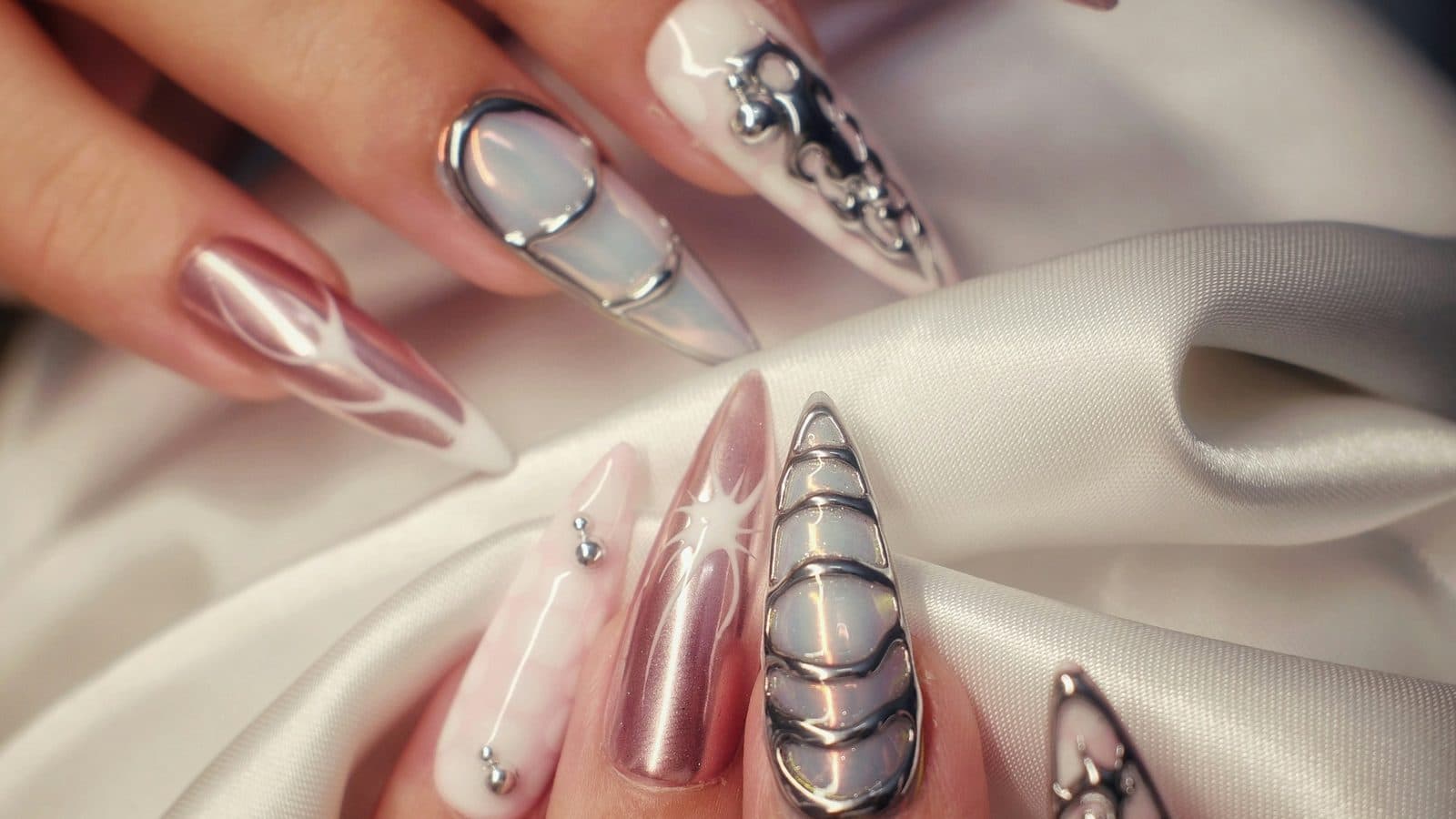
Pearl and aurora powders like Moon Glaze are finer and far less opaque than a true mirror chrome, and they want a lighter hand. Pack them the way you would pack a silver mirror and you lose the soft light-scatter that makes the finish work at all. Build a milky or nude base from the builder gels first, then apply the powder in light passes and stop as soon as the surface goes even.
Keeping chrome where you want it
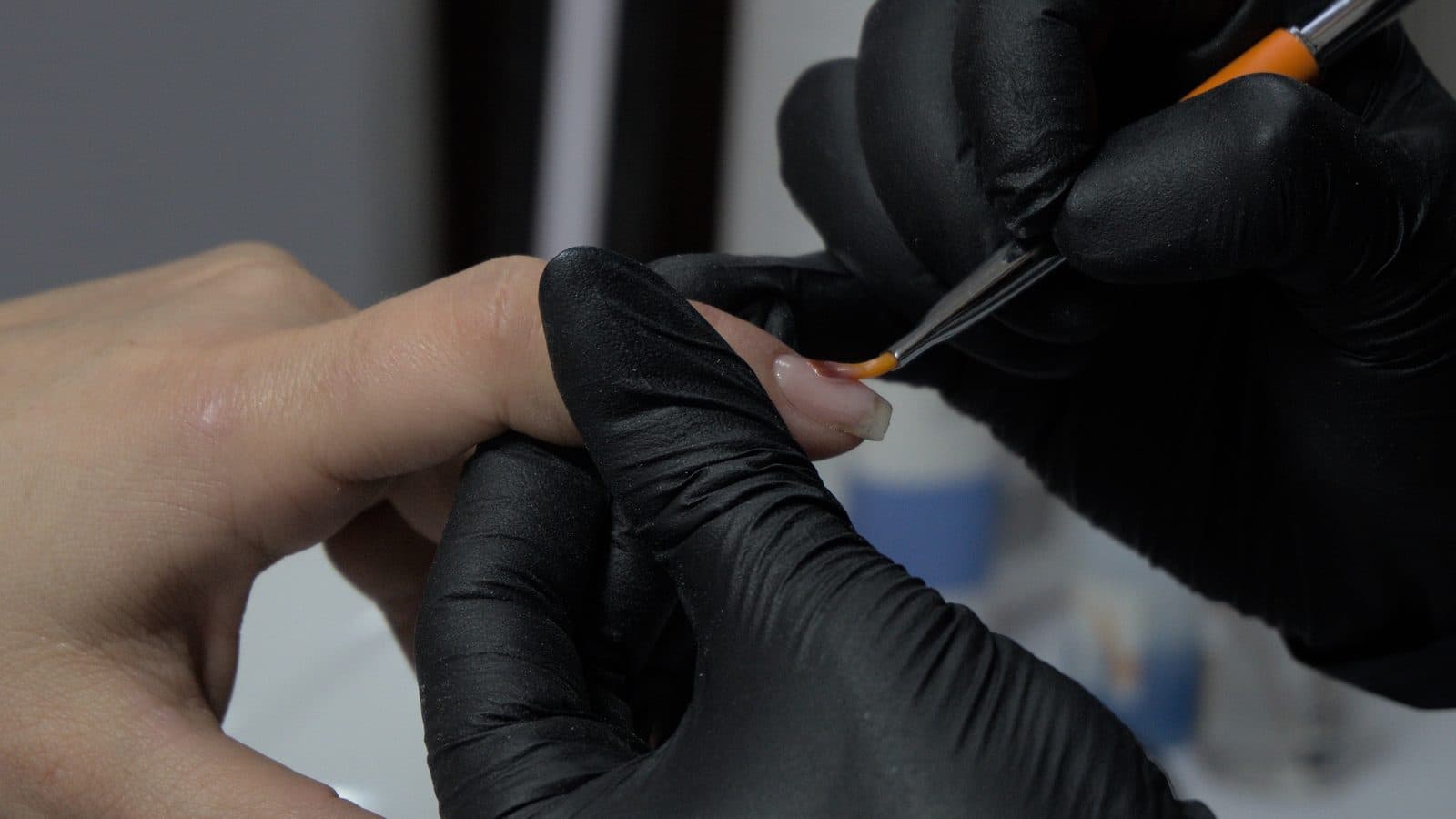
Chrome on part of the nail is harder than chrome on all of it, because loose pigment travels. The cleanest route is a matte surface the pigment will not key into, with your design drawn on top in something it will. Chrome Control is made for exactly that: the powder takes only on the design, and the rest of the nail stays matte and clean. The wider design products range is built around the same idea.
Chrome rewards a boring, repeatable process far more than it rewards flair. Get the surface flat, find the cure window for your own top coat, press harder than feels necessary, and float the seal. After that it is just a colour choice.